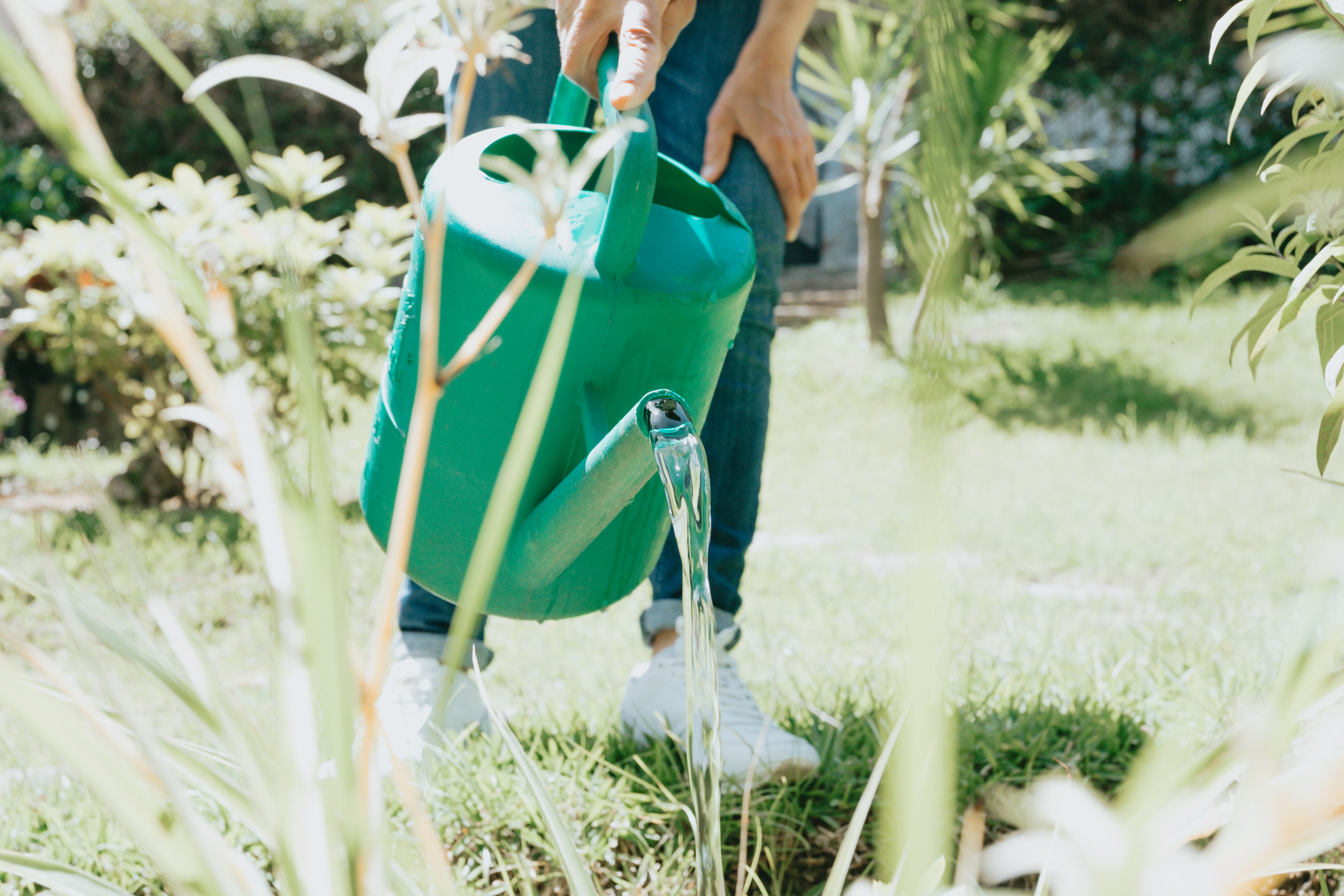
Every summer, Kingston homeowners face the same conversation with their gardens. The weather turns dry, the city’s odd/even watering schedule goes into effect, and a yard that looked healthy in May starts showing stress by mid-July. A garden that handles drought isn’t about accepting a patchy yard that barely survives July. It’s about choosing plants that don’t demand constant water and managing your soil so each application goes further.
What Kingston’s Water Restrictions Actually Mean
Kingston’s seasonal watering rules are based on your civic address. Odd numbers water on odd calendar days, even numbers on even days. During restricted periods, automated sprinklers and irrigation systems are limited to the window between 5 a.m. and 10 a.m. Hand watering with a hose or watering can is permitted any time on your assigned day.
Vegetable gardens are often exempt from restrictions in the early stages of a drought, when watered by hand. Newly seeded or sodded areas may also qualify for an exception. If you’ve recently installed a lawn or garden bed, check with the City of Kingston directly before assuming you’re unrestricted.
Why Deep Watering Works Better Than Frequent Watering
Shallow watering only moistens the top few inches of soil even if you do it every day. Most people do this and the roots follow the water. If moisture never gets down below three or four inches, the root system stays shallow, and shallow roots are the first ones to give up when the surface dries out.
During a drought, the goal is to get water down six to eight inches. At that depth, soil holds moisture longer and temperatures stay more stable and roots push deeper. The Kingston restrictions actually push you toward this by limiting how often you can water. Watering thoroughly once on your assigned day, rather than a light sprinkle every day, is closer to what your garden actually needs.
Mulch: What It Does and How Much You Need
Two to three inches of mulch on a garden bed does more for drought survival than most other interventions combined. Mulch slows evaporation from the soil surface and studies have measured moisture retention improvements of 25% or more under a consistent mulch layer. It also moderates soil temperature, which matters because hot soil loses water faster and stresses roots. And it suppresses weeds, which compete directly with your plants for whatever moisture is left.
Apply mulch in early summer before the dry weeks arrive, not after the soil has already baked. If you apply it to dry soil, you’ll trap the heat in rather than the moisture. Water first, then mulch. Two to three inches is the target depth. Much less than that and the layer breaks down too fast to do its job through the full summer. More than four inches can trap too much moisture and cause crown rot on some perennials. Depth matters more, the type of mulch is secondary, and most organic materials perform well. Marshall’s carries bulk mulch if you’re covering a larger area, and it’s worth picking up a few yards at the start of the season rather than sourcing bags once the heat builds.
Drought Tolerant Plants That Perform in Kingston Ontario
The most effective lasting strategy for a water conservation garden is choosing plants that don’t need much water in the first place. For perennials, a few reliable performers stand out. Sedum (stonecrop) thrives in poor, dry soil and produces good colour through late summer. Purple coneflower (Echinacea) handles dry periods well and brings in pollinators. Black-eyed Susan holds up through even the worst Kingston summers. Nothing knocks it down. Ornamental grasses like Karl Foerster feather reed grass stay upright and maintain structure through dry periods when most plants are flagging.
For shrubs and groundcover, consider potentilla, which flowers generously on very little water, and juniper groundcovers on slopes where irrigation is especially difficult. Go native where you can. Plants that evolved in Ontario’s climate are adapted to its wet springs and dry summers in ways that imported cultivars aren’t always. Asking your nursery about varieties native to Ontario is one of the more useful questions you can ask.
On the lawn side, short fescue blends are worth considering if you’re reseeding or overseeding. Fine fescues need a fraction of the water that Kentucky bluegrass demands and stay green much longer in dry stretches.
Collecting What Falls: Rain Barrels and Small Habits
A standard rain barrel connected to a downspout can collect 200 to 400 litres from a single rainfall event, depending on your roof area. That’s a meaningful supplement to your restricted watering days, and rain collected this way isn’t subject to the odd/even schedule.
Rain barrels are widely available. You’ll find them at most garden centres in Kingston, including from Marshall’s. Positioning matters: place the barrel where it catches runoff from the largest section of your roof, and make sure the overflow is directed away from your foundation.
Beyond barrels, a few small adjustments compound over a season. Grouping your thirstiest plants together means you can direct your limited watering to one concentrated area rather than spreading it across the whole yard. Running your irrigation timer in the early morning also checks out. Evaporation is minimal before 8 a.m., and the restriction window runs to 10.
Putting It Together
A drought-resistant garden in Kingston doesn’t require starting over. The changes that make the biggest difference are incremental: mulch down early, water deeply on your schedule, choose plants that need less water where you have flexibility, and collect what rainfall you can.
Not sure which drought tolerant plants suit your specific yard? Come into Marshall’s and we’ll help you match plants to your soil and light conditions, and we carry bulk mulch and rain barrels when you’re ready to put the practical pieces in place.