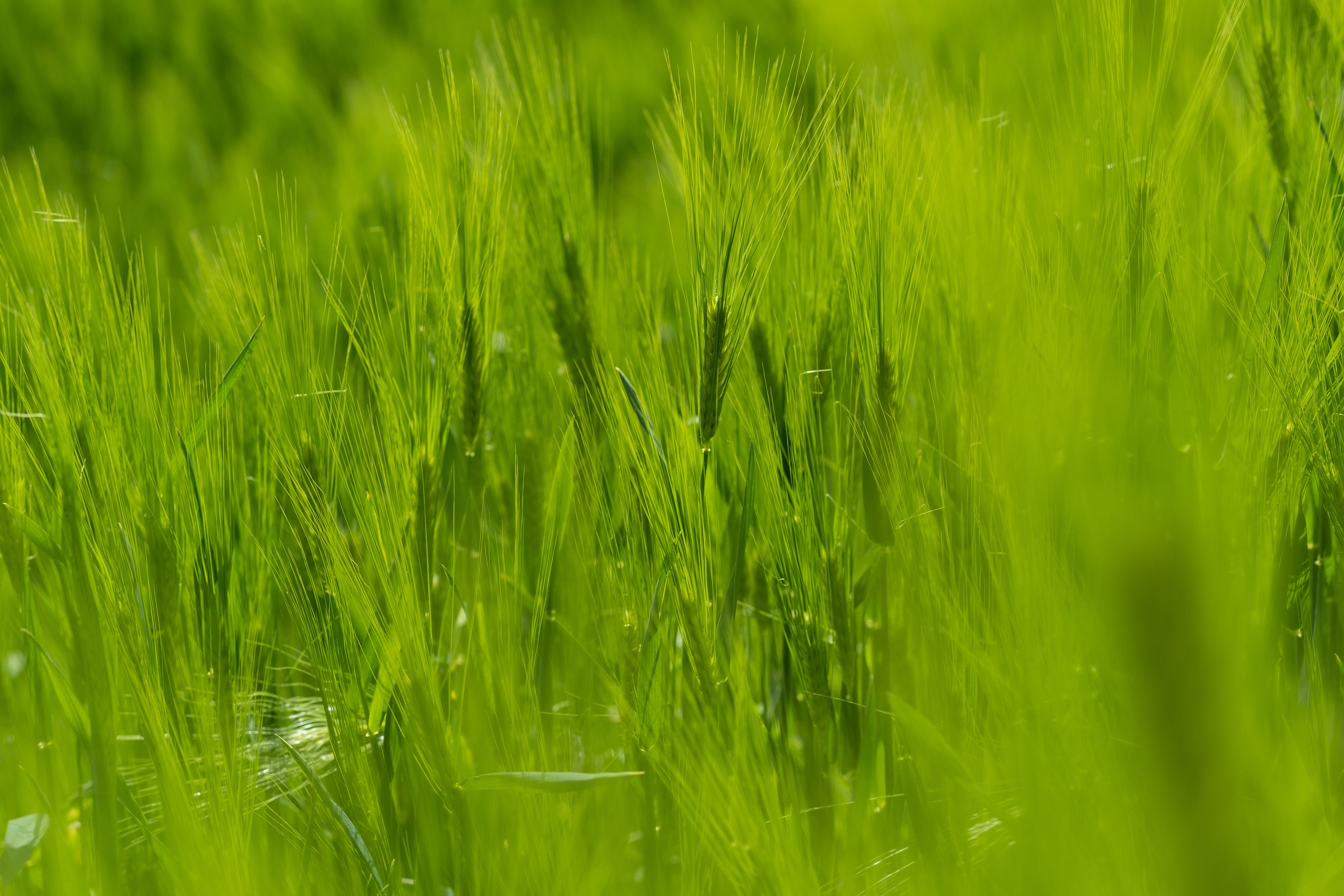
Two approaches, one result. But the path you take shapes how much you spend and how that lawn performs five seasons from now. Kingston homeowners arrive at this decision from different directions. A new build where the contractor left the site graded down to bare clay. A renovation stripped the turf. A dry summer that wiped out half an established lawn and left you starting over. Whatever the reason, the question is the same one that comes up on most lawn installation projects in this area: seed or sod? A lasting lawn is achievable with either method when the site is prepared correctly. The right choice depends on your budget and how quickly you need the yard back.
What’s the Difference?
Sodding installs mature turf grown at a farm, cut into rolls, and laid directly onto prepared ground. You get a finished lawn surface the same day it’s down.
Seeding applies grass seed to prepared soil. The turf develops from scratch, building a root system in place and filling in gradually over one full growing season.
That difference in how the lawn develops matters more than most homeowners expect going in.
The Case for Sodding
Twenty-four hours after installation, the yard looks finished. No waiting and no bare ground while the grass takes weeks to germinate. For homeowners who are selling or simply done looking at exposed clay, sod delivers results on a timeline that seeding can’t match. It holds soil in place from day one. That’s not a small thing on sloped properties or yards near the water, where bare ground can move in a single heavy rain before seed has had any chance to root.
Sod arrives without weeds. Grown under controlled farm conditions, a properly installed sod lawn doesn’t spend its first season competing with crabgrass and creeping charlie for ground. In Ontario, sod installation runs roughly $2 to $3 per square foot, including supply and labour. On a typical 5,000 square foot residential lot, that puts the full job between $10,000 and $15,000, and the figure climbs on larger properties. For some timelines, that’s the right investment. For others, it warrants a closer look at what seeding offers.
The Case for Seeding
There’s a real difference between a lawn transplanted onto your property and one that grew there from the start. Seed germinates in your actual site conditions. Your soil, your drainage, your shade, the low corner that floods after a hard rain. The grass adapts to those conditions from the beginning, rather than being cut and relocated from a sod farm in a different county. Seeded lawns tend to build deeper root systems over time, and those roots show up in dry summers when eastern Ontario turns hard in July and August.
Seeding a 5,000 square foot lawn in Ontario costs $500 to $1,200, depending on the blend and the scope of soil preparation involved, a fraction of what sod installation requires. For larger properties, the savings are more pronounced. Large-scale lawn restoration in Kingston almost always defaults to seeding. Budget is an honest factor in most of those conversations, and seeding carries a lighter environmental footprint than importing and transporting sod from a growing operation elsewhere.
The tradeoff is time. A seeded lawn won’t hold regular foot traffic for one full growing season, and it requires reliable moisture with protection from traffic throughout that establishment period. If the yard needs to be functional by July, seeding in June won’t get you there. There’s also more flexibility on the seed side. Blends can be matched to your specific site: mixes for deep shade, varieties built for heavy foot traffic. Many Kingston properties have several of these conditions in the same yard. A standard sod roll handles one of them, usually.
Timing: When to Seed or Sod in Kingston
By late October in Kingston, the seeding window for the year is closed.
Fall is the preferred seeding season throughout eastern Ontario. Late August through early October gives germinating grass cooler temperatures and enough time to root before freeze-up, with reliable fall rain doing much of the watering work. Spring seeding is a reliable option in most years. A late frost can push germination back by a few weeks, but most plantings recover without much intervention. Summer seeding is possible, and we do see some people making that move in July. The water demands are higher, and weeds that love warm soil will move into bare ground faster than the grass does.
Sod installation carries a wider scheduling window. It can go down from spring ice-out through mid-October in Kingston. We install sod through the summer regularly. July and August jobs need deliberate watering over the first two weeks, because most sod failures come from irrigation that gaps during that initial rooting period, not from the heat itself.
Which Method Fits Your Property?
On a steeply graded front yard where the next rain would move bare soil downhill, sodding is the right call regardless of cost. On a large flat backyard where the timeline is flexible and budget matters, seeding is the stronger choice. Those are the clearer cases.
The harder calls come from properties with a mix of conditions: visible front areas, problem slopes, large back sections, and shaded corners that a standard sod roll won’t suit. Most full-property lawn installations in Kingston end up using both. Sod along the front and visible borders where erosion risk or timeline demands it, seeding in the larger back sections where the budget needs to stretch. That split is common in residential lawn restoration work here, and it delivers good results on most properties.
Marshall’s has been doing new lawn installation and restoration across Kingston, Amherstview, Loyalist Township, and South Frontenac for over 20 years. We conduct a thorough site assessment and provide a direct recommendation based on the specific conditions of your property. Contact us for a free estimate on your new lawn installation.