Come October, most homeowners have put lawn care out of their mind. The grass growth has slowed down enough that is barely seems worth thinking about but the application of winterizer can make all the difference in the look of your lawn come next spring.
What Is Winterizer Fertilizer?
“Winterizer” isn’t a special ingredient. It’s a term for a fertilizer blend formulated to be applied in late fall, and the formula itself is what makes it different from what you’d put down in spring or summer. A typical winterizer leans heavily on potassium as opposed to nitrogen. Compare that to a spring fertilizer, which is heavier in nitrogen and built for pushing green growth to the top. Winterizer flips that priority as the grass isn’t trying to grow taller this late in the season, its simply trying top survive.
What Winterizer Feed Actually Does
Grass doesn’t stop working once it stops looking like it’s growing. Below the surface, roots keep developing even after top growth has slowed to almost nothing, and that’s exactly the window a fall feeding is built for. The nitrogen in a winterizer supports that root development and helps the plant store the energy reserves it’ll draw on to help survive the winter and green up again in spring.
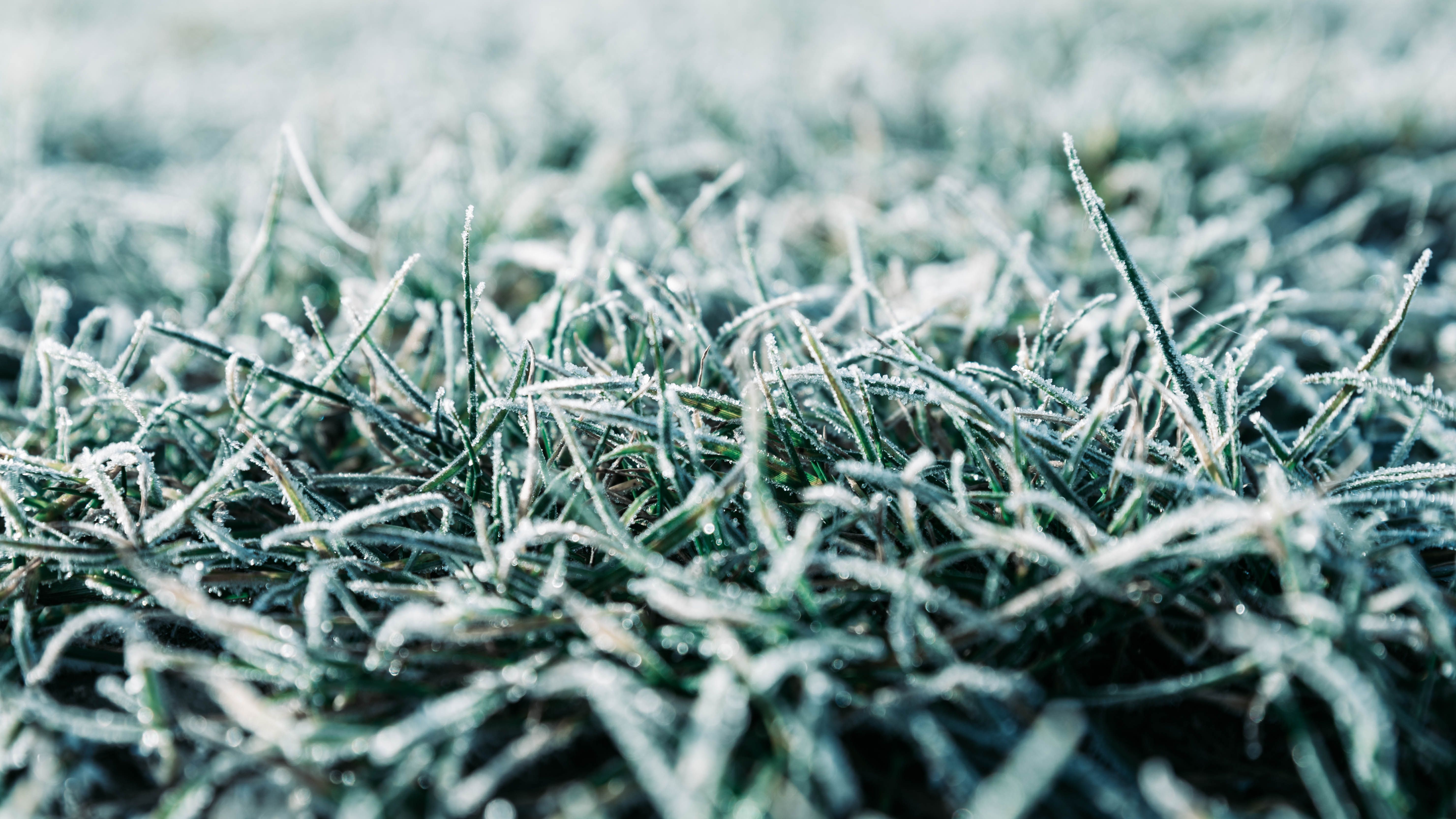
The potassium in the winterizer is doing something different, and arguably more important for a Kingston lawn. This helps your lawn to build cold hardiness and improves disease resistance. This kind of resilience matters when a typical Kingston winter runs the lawn through freezing, thawing, and freezing again from November through March.
Skipping this feeding doesn’t neccessarily mean your lawn will just die. It will just come out on the other side of winter looking thinner and will take longer to recover than a lawn that was properly fed.
Why Timing Matters So Much Here
Get the timing wrong and a winterizer application can actually do more harm than good.
If you apply the winterizer too early during a warm September day while the grass is still actively growing you can push up fresh new growth right before frost arrives. This new growth is the first theing the winter weather will take a toll on. Apply it too late and the ground will be frozen and the grass will have gone fully dormant meaning the roots won’t be taking up the butrients.
The sweet spot is narrow and is mid to late October, once the lawn has stopped actively growing but the grass is still green and the roots are still active below the surface. In a typical Kingston fall, that window tends to land somewhere between the first light frost and the point where nighttime temperatures start sitting below freezing. Some years that can happen earlier, and some years it stretches later into November, so watching the actual conditions matters more than picking a hrad date weeks out.
Why It Works So Well on Kingston Lawns
Most lawns around Kingston are cool-season grasses, Kentucky bluegrass, perennial ryegrass, fine fescues, the kind that naturally slow their top growth in fall while staying biologically active underground. That’s exactly the kind of growth pattern winterizer fertilizer is designed around.
Add in the freeze-thaw cycles typical of a Zone 5b winter, where a January thaw can undo weeks of dormancy before the cold snaps back, and the potassium boost from a proper fall feeding stops being optional. A lawn that went into winter well fed handles those swings better and will be able to holds its colour longer into December and comes back greener, faster, once the snow melts.
None of this requires guesswork or a bag of the most expensive product on the shelf. It requires the right formula applied at the right time and a lawn that’s already reasonably healthy going into fall doesn’t hurt either.
If you’re not sure whether your lawn’s ready for a winterizer application or when the timing lines up this year, our team can walk you through it and make sure your lawn starts next spring as green as ever.