Your veggies were doing fine, then the heat waves arrived. It’s one of the most common things we hear at the garden centre by mid-summer: plants that looked great in June are wilting daily, fruit is dropping before it matures, and nothing seems to be working. Ontario summers can be genuinely hard on a vegetable garden, and Kingston’s July heat is no exception. The combination of heat, humidity, and stretches without rain pushes plants past what they can handle on their own.
We’re going to walk you through the key things your vegetable garden needs to stay productive through summer, and where it calls for a different approach than a typical flower bed.
Why Vegetables Are Harder to Carry Through Summer Than Flowers
Ornamental plants like marigolds, zinnias, and rudbeckia are built for heat. They were bred for long stretches of sun and dry soil, which is exactly what Ontario summers bring in July and August. A marigold that wilts at 2 PM is probably fine by evening. It doesn’t need to produce anything that requires continuous moisture.
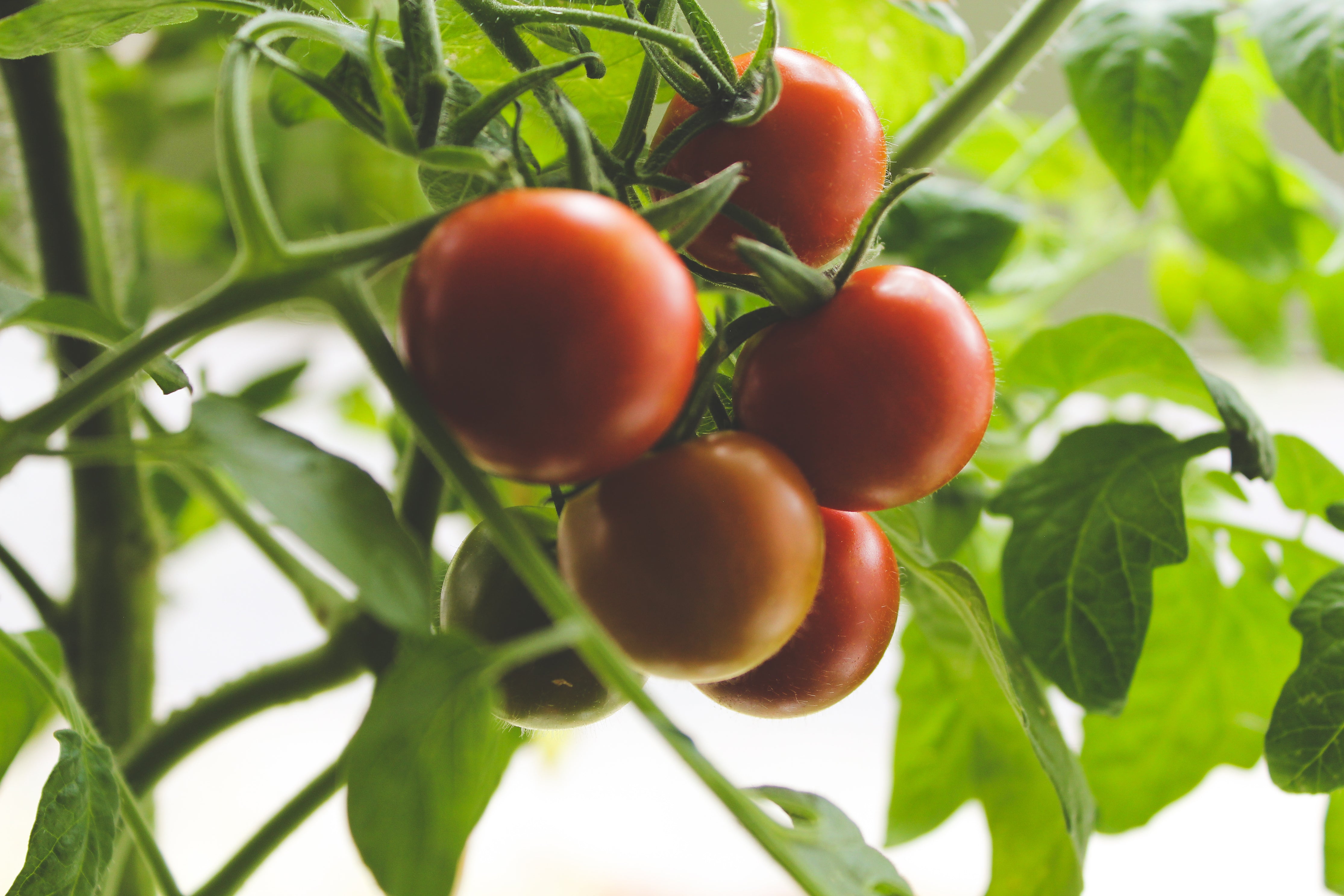
A vegetable garden is trying to do something completely different than simply surviving. Your tomatoes need consistent moisture to set fruit and carry it to maturity. Irregular watering causes the skin to expand and contract unevenly, which is what causes blossom end rot and cracking. Peppers drop their flowers in heat stress, cucumbers turn bitter, and lettuce goes inedible in a matter of days. The whole point of a vegetable garden is a harvest, and heat stress interrupts that in ways that don’t have obvious cosmetic equivalents in a flower bed.
Spotting Heat Stress Before It Costs You
Afternoon wilting is usually just a normal response to heat load, where the plant loses water through its leaves faster than its roots can pull it up. Most vegetable plants recover once the temperature drops in the evening. Morning wilting is the flag. If plants are drooping before the sun has had real time to heat things up, there’s a true water deficit. The plant has nothing left in reserve from the night.
Other signs: blossom drop on tomatoes and peppers, yellowing leaves working up from the bottom of the plant, potato plants rolling their leaves inward, and crops that prefer cool weather like spinach and cilantro sending up seed stalks. When cilantro bolts, it’s essentially done as a harvest crop for the season. You can let it go to seed and collect it for next year, but that’s a different project entirely. Most gardeners just pull it and direct-sow again in August.
Watering Your Vegetable Garden in Summer
Sticking a finger into the soil after a hot afternoon can be genuinely surprising. The top two inches are completely dry. Somewhere around three you hit cool moisture, and that’s where you need the roots to be. Shallow watering every day keeps roots near the surface, which is the opposite of what you want. The surface heats up and dries out fast. Deep, infrequent watering, soaking the bed to 6 to 8 inches once or twice a week, pushes roots downward where conditions stay cooler and more stable. When you water, go long enough to actually reach that depth, then leave it alone for a few days.
Water in the early morning so you get moisture to the roots before peak heat, and the leaves have time to dry before evening, which cuts down on fungal issues. Worth knowing if you’re in Kingston: the city runs odd/even watering day restrictions during dry periods based on civic address. Vegetable gardens watered by hand are often exempt but check before you set up sprinklers during a heat advisory.
This is another area where vegetable and flower gardens diverge. Flowering annuals and many perennials will tolerate a more relaxed watering approach in summer. Many of them do fine with whatever rain falls. Vegetable plants producing fruit are drawing heavily on moisture to do it, and they’ll show you pretty quickly when there isn’t enough.
Mulching: The Best Thing You Can Do Right Now
Mulch does two things a struggling summer garden needs. It holds moisture in the bed and brings the surface temperature down, and the weeds competing with your plants for water have a much harder time pushing through an insulated bed.
Straw is a solid choice for vegetable gardens. It’s loose enough to let water through without compacting, and it breaks down over the season in a way that leaves the soil a bit better than it started. Pull it back from the stems as a pile of straw sitting against a tomato stem is an invitation for rot. Wood chip mulch works well in pathways and around the edges of beds but tends to compact more over time. It’s a solid choice for ornamental beds or areas where you want a tidier look, but for active vegetable beds straw is more practical.
Which Vegetables Struggle Most in the Heat
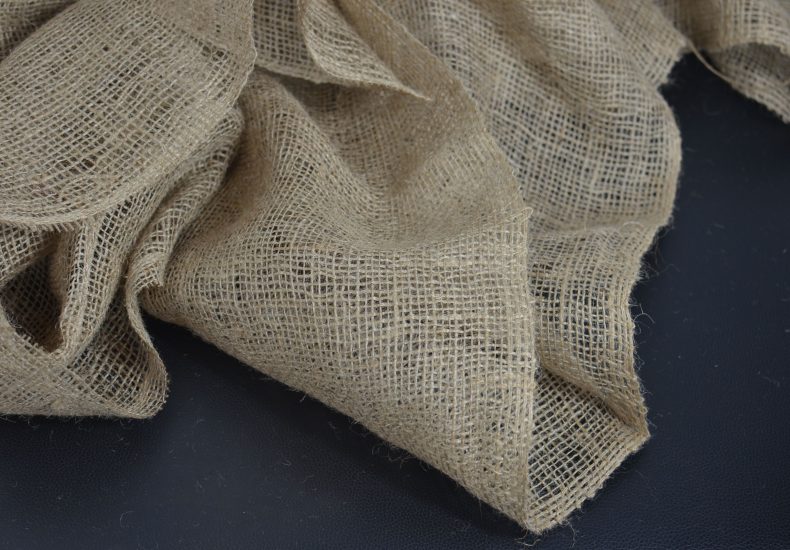
A six-pack of lettuce seedlings planted directly into full sun in late July can work, but it takes more management than a spring planting. Lettuce bolts in heat and once it does, the leaves go bitter fast. If you’re succession planting through summer, a piece of shade cloth over the bed (30% is enough) can knock several degrees off the soil temperature and keep the plants harvestable longer. Some Kingston gardeners use floating row cover for the same effect, which also cuts down on some insects.
Crops that struggle in heat: lettuce, spinach, kale (it handles it better than you’d think but still suffers), peas, cilantro, and arugula. These do best with afternoon shade or a spot that catches morning sun only.
Crops that do well in heat: tomatoes, peppers, basil, beans, squash, cucumbers, and corn. None of them care much what the thermometer says, as long as water is consistent.
Most flowering ornamentals fall firmly in the second group. They were bred for summer. Vegetable gardens are more of a mixed picture, and understanding that difference is what separates a productive July harvest from a frustrating one.
Soil and Nutrients Through the Season
By mid-July, a productive vegetable bed has used up a good portion of its spring nutrition. Vegetables draw heavily on the soil to produce food, which is a more demanding process than the leaf and stem growth most ornamental plants focus on.
A light top-dressing of compost every four to six weeks helps replace what’s being used. Hold back on nitrogen fertilizers in summer, though. Nitrogen drives leafy growth at the expense of fruiting, and a tomato plant channelling its energy into vines isn’t going to give you much to harvest. Use a balanced fertilizer or one slightly lower in nitrogen if you’re feeding mid-season.
Compaction sneaks up on you in dry summers. When the soil surface bakes hard, water runs off instead of soaking in, and you can water regularly while the roots stay completely dry. A light surface loosening with a garden fork helps, just don’t go deep enough to disturb the roots.
If you need mulch, compost, shade cloth, or soil amendments to carry your beds through the rest of summer, Marshall’s garden centre in Kingston carries a full range of supplies. Our staff are happy to point you toward what works for your specific situation.