Six bags, four colours, and two types of bark can leave you wondering if you’re buying the right one. Mulch gets treated like a commodity purchase where most people just grab something, dump it in the bed, move on. There’s a real difference between the right mulch and just something on the ground, and since you’re spending the money either way, you might as well land on the one that actually works for your yard. Here’s a breakdown of every type we carry at Marshall’s in Kingston, what each one does, and where it earns its keep.
What Mulch Is Actually Doing Out There
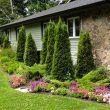
Mulch holds water in the soil so you’re not out there with a hose through an August heatwave twice a week. It blocks light at the soil surface, which stops weed seeds from germinating before they get started. It also cushions the soil against temperature swings, which matters more than people expect, especially in a spring where you get a heat wave in April and a frost warning in May. Wood-based mulches also break down over time. As they decompose, they feed organic matter back into the soil, which benefits the bed structure over years of gardening in the same spot. Worth knowing, even if it’s not the main reason most people buy it.
Classic Natural Cedar Mulch
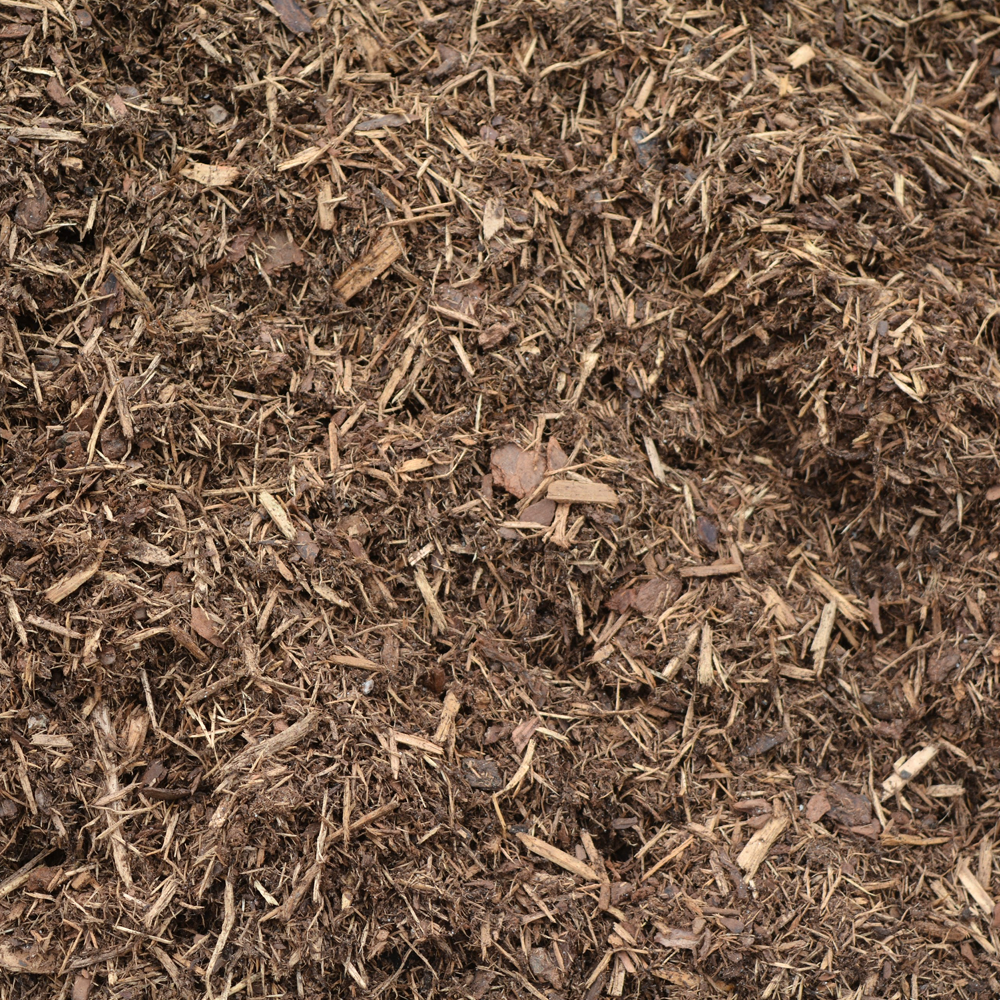
Ground white cedar bark. Toasted brown, light texture, and that fresh cedar scent that fills the whole garden when you first spread it. This is where most Kingston gardeners start, and it’s the default for a reason. It works well in flower beds, along borders, around shrubs, and in raised beds. A versatile option that gets along with almost anything you’re planting. If you’re looking for the best mulch for garden beds that covers a mix of annuals, perennials, and shrubs without requiring much thought, classic natural cedar is the one.
Natural Shredded Pine Mulch
Different character than cedar. Lighter in colour, warm golden brown, with a stronger aroma and a texture that’s a bit crisper. Pine breaks down faster, which means it feeds the soil more quickly but also needs refreshing a little sooner as the season goes on. Where it really earns its keep is with acid-loving plants such as rhododendrons, azaleas, blueberries, hydrangeas. These all prefer slightly acidic soil conditions, and shredded pine mulch helps maintain that chemistry around the root zone. If you have a section of the garden planted with any of these, pine is the smarter pick there than cedar, no contest.
Enhanced Red Mulch
Red mulch is for the yard that wants to be seen. It’s white cedar bark infused with red pigment, with a coarser fiber texture that mats together better than the natural options. If your yard has any grade to it and you’ve watched a fresh layer of mulch slowly drift downhill after a good Kingston rainstorm, this is the product that fixes that. The coarser fibers lock together and hold position where finer materials slide. Large landscaped areas are the other strong use case. Consistent coverage over a lot of ground, with a colour that reads from the street as intentional rather than accidental.
Enhanced Black Mulch
If every other mulch blends into the background, this one refuses to. It’s a hardwood blend dyed with natural black pigment, and it’s the one that gets the most double-takes. Black mulch creates contrast in a way that brown can’t when alongside light-coloured stone paths, cream pavers, bright annuals at peak bloom. They all look sharper and more deliberate against a black backdrop. If you’re working with a modern or minimalist garden design, or if you’ve got white gravel borders anywhere in the yard, black mulch has a way of pulling the whole thing together. It also absorbs a bit more heat than lighter options, which can help warm the soil faster in early spring.
Enhanced Brown Mulch
Premium hardwood blend with a natural brown tint. Looks richer than plain cedar, but quieter than red or black. This one blends with almost any garden style, which is exactly the point for most traditional layouts and mixed beds. If you want your garden to look cared for without the mulch drawing attention to itself, brown enhanced is the low-risk call that still looks intentional. This is arguably the most popular choice on the list.
Playground Mulch
A kid launches off a swing and lands hard. What’s underneath matters a lot in that moment. That’s the job playground mulch is built for. Made from natural wood fiber, it compresses under impact and recovers, which is exactly what you need beneath a play structure. Under climbing equipment, swing sets, and anything else kids throw themselves off of, this is the right material. Garden mulch won’t perform that way as it’s not designed to and playground mulch in your flower beds would look wrong and break down too fast for that use.
How Much Mulch Do You Need?
Two to three inches is the standard depth for most garden beds. Under two inches and weeds push through anyway. Over four and you risk smothering shallow root systems, which is working against yourself.
One cubic yard covers about 162 square feet at two inches deep, or 108 square feet at three. We have a mulch calculator on the Marshall’s website where you plug in your dimensions and it does the math before you order. Saves the guesswork and means you’re not making a second trip for two more bags.
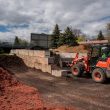
For any project covering more than a few hundred square feet, ordering by the yard makes more sense than carrying bags. The bags are great for small touch-ups and topping off an existing bed mid-season. But for a full refresh, bulk delivery is the better call.
Come by the garden centre and see the products in person, or get in touch to sort out a delivery.