Most people pack away the trowels the moment the tomatoes come in, and figure the garden’s done providing for the year. It doesn’t have to be, and if you’ve still got a patch of open soil sitting empty right now, you’re sitting on more growing season than you think. A handful of cold tolerant vegetables don’t just tolerate the drop into fall, they do some of their best growing in it, so let’s look at what you can still get in the ground and how to time it so it actually matures before winter shuts things down.
Why Some Vegetables Handle Cold Better Than Others
Like humans, not all plants prefer the same temperatures. While tomatoes and peppers may panic when the temperature drops there are a variety of frost hardy vegetables which essentially have their own built in anti freeze. As temperatures drop they convert stored starches into sugars which helps to lower the freezing point of its cell fluid helping to keep the plant from turning into mush overnight.
This is why many of these crops may taste better after a frost instead of worse. Kale gets sweeter and carrots left in the gorund through a couple cold nights will come out much milder. This is one of the few perks of gardening in a climate that gets real winters so its worth considering rather than fighting.
The Most Cold Tolerant Vegetables to Plant Now
Kale and spinach cold weather tolerance is well documented, kale especially can shrug off temperatures down into the low twenties, and spinach actually germinates better in cooler soil than it does in the heat of July. Swiss chard belongs in the same category, along with lettuce and arugula for anyone who wants something ready faster.
Root crops are the other pillar of a fall garden, and honestly the more forgiving half of it:
- Carrots handle a hard frost without complaint and sweeten as they go
- Beets do the same, and the greens are edible too if you’re not just after the root
- Turnips and parsnips can sit in the ground under mulch well past the first snow
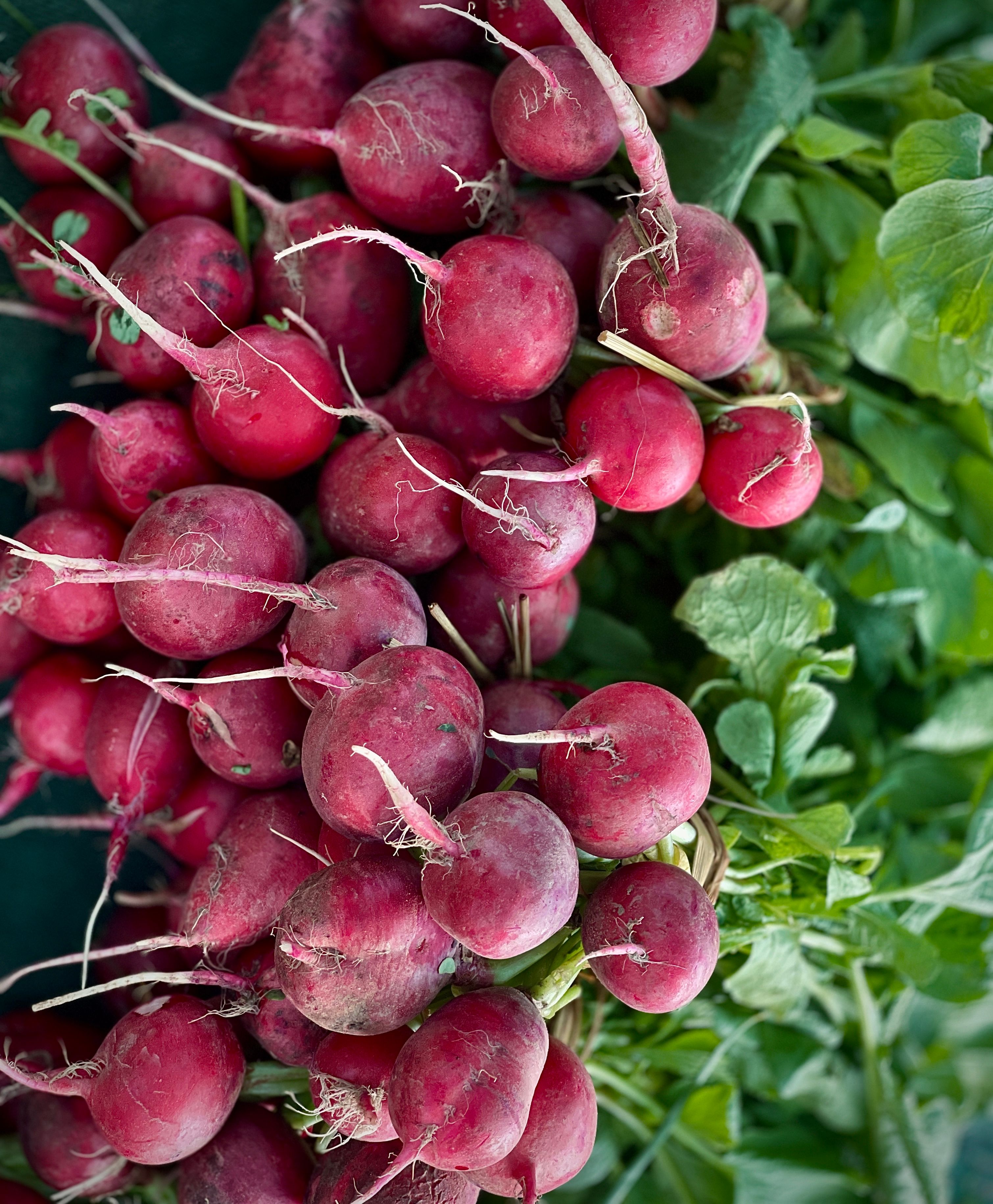
- Radishes are the fastest of the bunch, some varieties are ready in under a month
Garlic is a slightly different case. You’re not harvesting this fall at all, you’re planting cloves now so they root before the ground freezes and come up strong next spring, which makes it one of the easiest wins in the whole list.
Timing It Right for Zone 5b
Kingston sits in zone 5b, and the average first frost lands in late September to early October depending on the year. Working backward from that date is the whole trick to timing fall planting well. Check the seed packet or plant tag for days to maturity, then count back from your expected frost date and add a couple of weeks of buffer. A radish that matures in 25 days planted in mid-August has plenty of runway. A cabbage that needs 70 days is already cutting it close by the time August rolls around, which is why cole crops like broccoli and cauliflower usually go in as transplants rather than seed this late in the season.
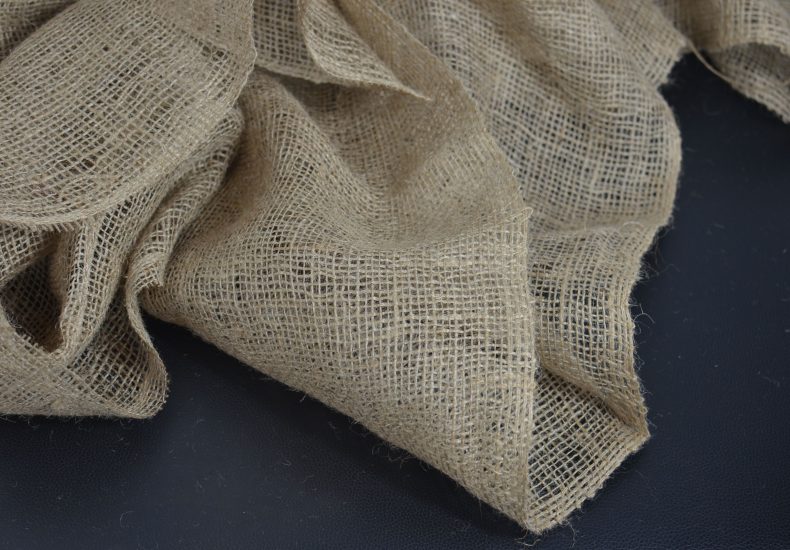
Row covers and cold frames can stretch the calendar further if you want to push it. Even a simple frost blanket thrown over a bed on a cold night can buy a crop another few weeks, sometimes longer depending on how the rest of the fall shapes up.
Let the Season Work a Little Longer
There’s something satisfying about pulling carrots out of a bed while the rest of the yard has already gone quiet for winter. It doesn’t take much extra effort, just the right crop in the ground at the right time, and it’s one more way to get the full value out of soil you’ve already spent the season building up.
Stop by the garden centre for fall seedlings, seed garlic, or a straight answer about what’s still worth planting this year.