Drive down a Kingston road come spring and you’ll see plenty of examples of a strip of brown, patchy grass running right along the curb while the rest of the grass remains green. That’s road salt damage and its a major issue after a long Kingston winter. It shows up either from plows throwing salty slush onto the lawn edge, or melting snow carrying salt into the soil where it settles around the roots.
What Road Salt Actually Does to Grass
Most road salt is sodium chloride. When it dissolves into the soil, the salt concentration around the roots rises high enough that water starts moving in the opposite direction and out of the roots. The sodium also breaks apart the soil structure, especially in clay, as the ground seals and drains poorly.
Salt damage on a lawn usually looks like brown or straw coloured grass along the curbs or edge of your driveways and walkways. It could also appear as a strip that greens up a few weeks later or thin turf with soil showing through that doesn’t fill in. White crust on the soil after some spring dry spells is also a tell tale sign of salt damage. Salt spray also travels farther than most people expect. On a windy day, fine salt mist from passing traffic can drift a long way from the road with some estimates saying it can travel for 45 feet.
Before the Plows Arrive
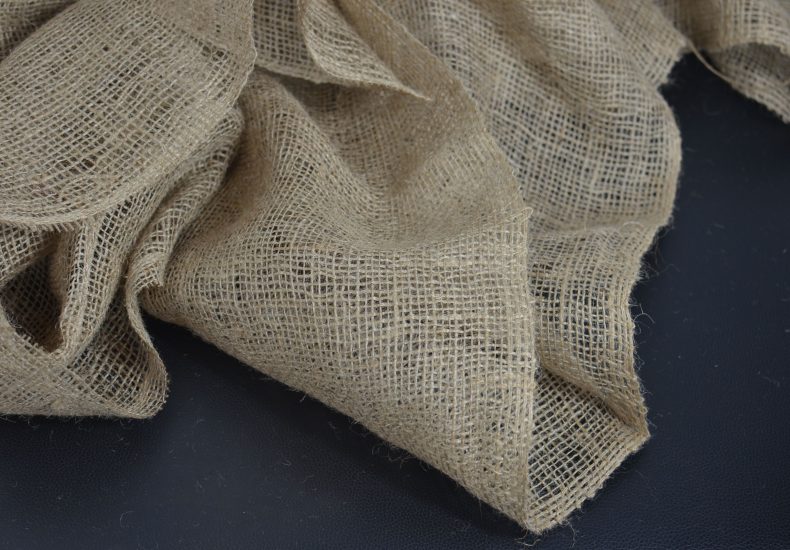
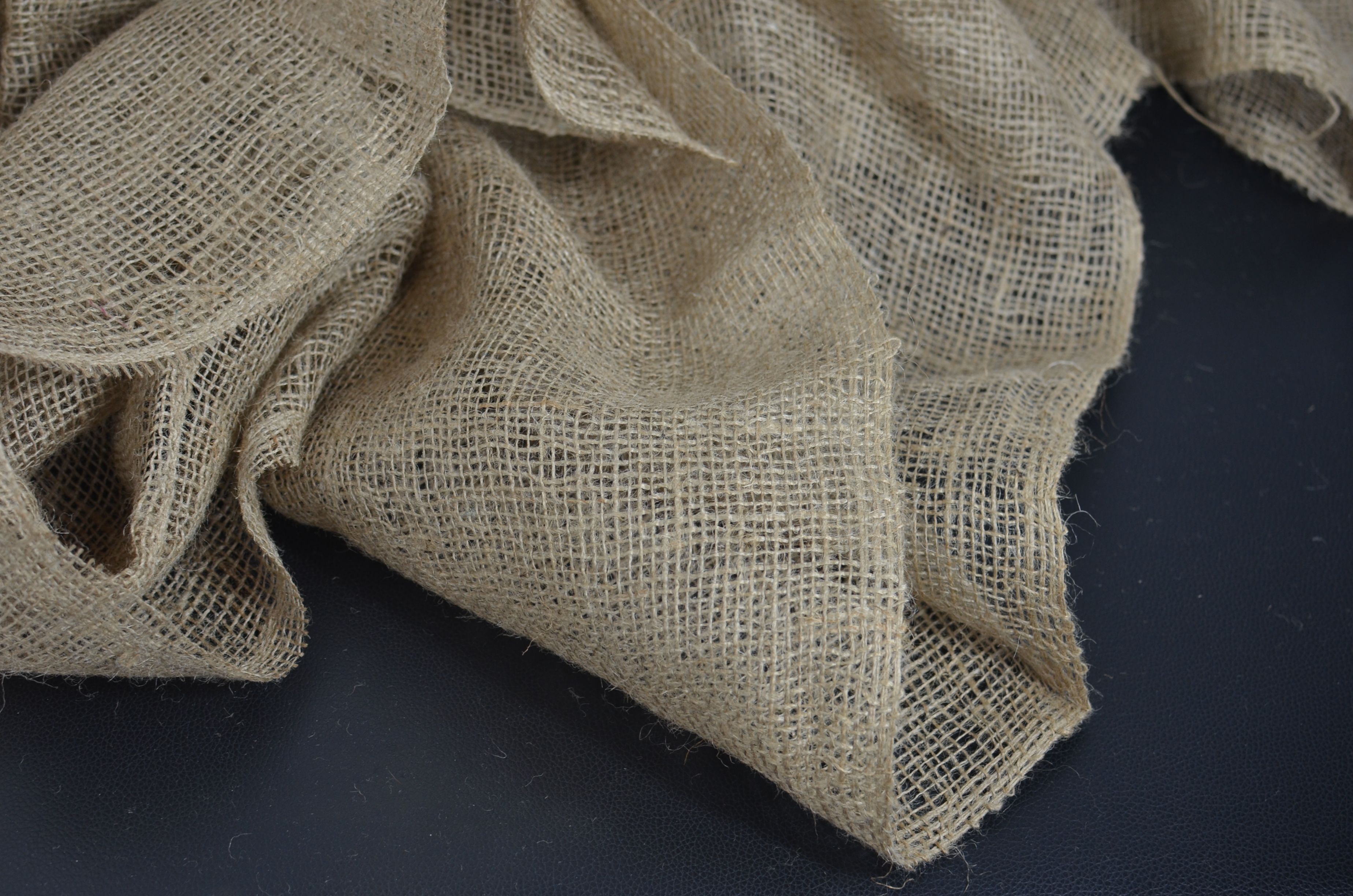
Prevention can do alot of heavy lifting and the opportunity for it is right now, before the ground freezes. A burlap barrier for road salt is the most reliable option for the lawn edge and any beds near the street. Drive wooden stakes into the ground along the road side of the lawn or bed, about 30 to 60 cm back from the curb, and staple burlap between them so it stands roughly as tall as the snowbank usually gets. Get the stakes installed by early November before the ground freezes and you’ll be able to block a large portion of the spray.
On your own driveway and walkways:
- Use less salt. A handful distributed thinly works about as well as a scoop dumped in one spot.
- Mix in sand for traction, or substitute it altogether on the gentler slopes.
- Calcium chloride blends work at colder temperatures than rock salt, so you need less of them, though they’re still a salt and still hard on plants.
- Sweep up leftover salt once the ice melts, because whatever remains on the pavement will end up in the nearby grass.
How to Protect Garden Beds from Salt
Beds along the street take the worst of it, since they receive the spray and the slush and the meltwater all winter long. A bed that sits even 15 cm higher than the sidewalk performs better, because salty water drains away from the roots instead of collecting around them.
Evergreens near the road have their own protection needs which can also be solved using the simple burlap and wooden steak method discussed earlier. Be sure not to wrap it to closesly to the plant to allow the branches some rookm without being squeezed.
Spring: How to Repair Salt Damaged Grass
Once the ground thaws in April, water the damaged strip deeply two or three times over a couple of weeks, soaking the soil enough to push the salt down below the root zone.
Gypsum for salt damage (calcium sulphate) works by trading calcium for the sodium stuck to clay particles, which helps the soil loosen up again and lets the sodium wash away. It doesn’t neutralize salt on contact and won’t revive dead grass however. On heavy clay it tends to make a real difference over a season while on sandier soil, the watering is doing most of the work. Raking out any dead grass and aerating if the soil is compacted with an overseed afterwards is a safe bet for starting to bring the lawn back. If the damage is spread over a wider area or the same area has been dying for a few years then a re-sodding may be the best bet which will help fill in any large gaps much quicker than seed.
Using these tips you can have the peace of mind that your lawn and garden will be able to withstand whatever Kingston’s salty winter streets can throw at it.