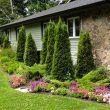
By late October, the maples out front have dropped every leaf, and suddenly the view from your kitchen window includes the neighbour’s shed, the road, and the driveway. That’s where evergreens come in. Cedar, spruce, yew, and a handful of other hardy species hold their needles right through a Kingston winter, which means they’re doing two jobs at once: blocking the view and giving your yard some backbone once everything else has gone dormant.
Why Evergreens Matter for Privacy and Structure
A cedar hedge doesn’t care what month it is and neither does a spruce planted in the right spot. That’s the whole appeal of evergreens for privacy over a fence or a row of lilacs. Landscape designers talk about the “bones” of a yard for a reason. When other plants may die back evergreens are the one constant, the frame the rest of the yard hangs off. Without them, even a garden planted well can look a little formless in April, before anything else has leafed out.
Best Evergreen Trees for Screening in Kingston Yards
Eastern White Cedar
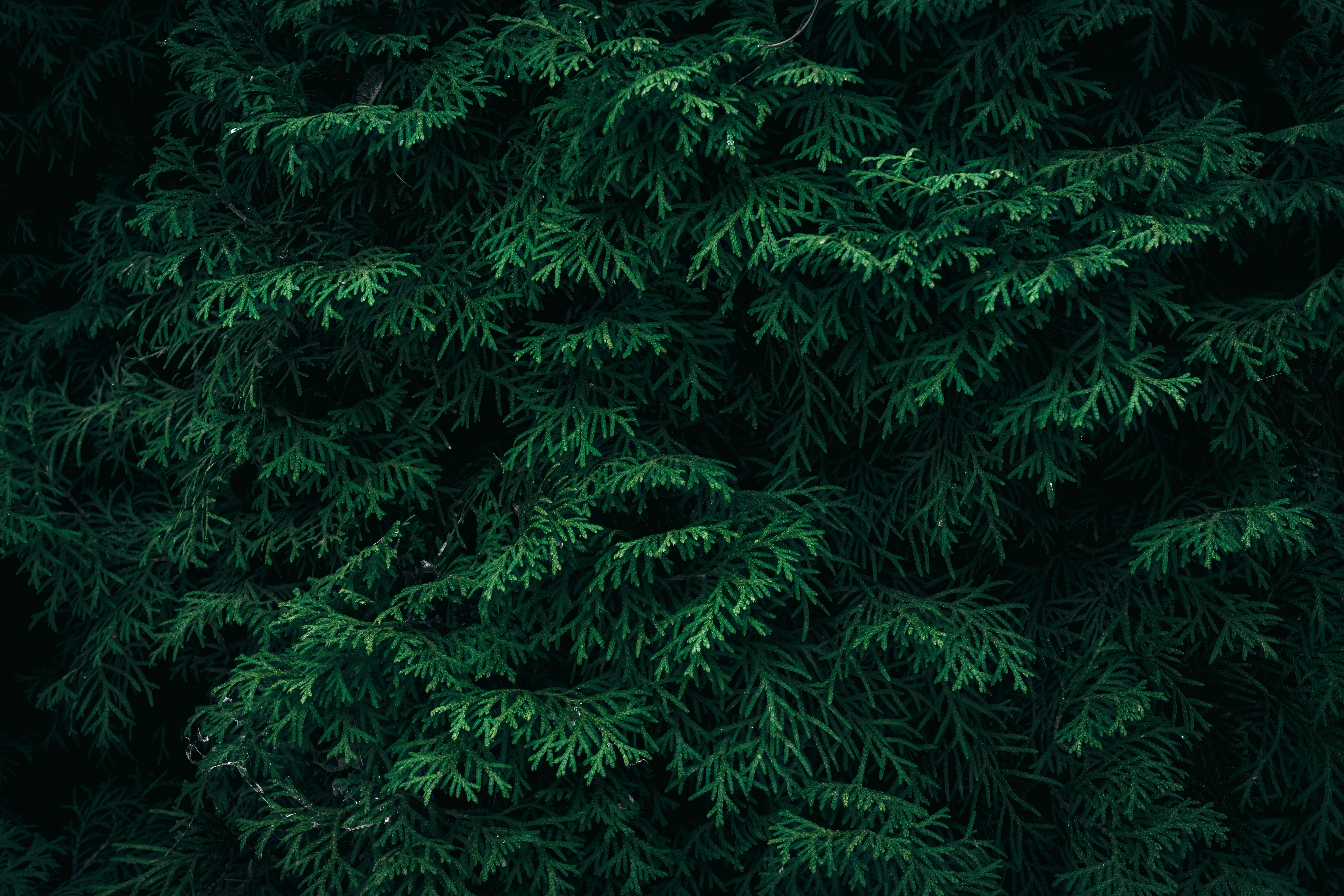
Drive past a rural property with a hedge that’s been growing for decades along the length of the driveway and there’s a good chance you’re looking at Eastern White Cedar. It’s native to this part of Ontario, it tolerates our clay soil better than almost anything else evergreen, and it’s dense right to the ground. An Eastern White Cedar hedge is about as close to a default choice for privacy as landscaping gets in Ontario, and for good reason. It’s not flashy. It just works.
Spruce
Spruce trees skew larger and read more like specimen trees than a clipped hedge, which makes them a better fit for bigger properties or corner lots that need one strong anchor rather than a continuous wall. Black Hills spruce withstands our winters without complaint and holds its natural shape without much pruning at all.
Yew
Here’s the one people forget about: yew tolerates shade. Cedar and spruce both want sun, and if your privacy problem sits on the north side of the house or tucked under mature trees, most of the popular options simply won’t thrive there. Yew grows slower, which some homeowners count as a downside, but slower also means less pruning and a tidier look for longer.
Compact options for smaller lots
Not every yard has room for a cedar hedge ten feet wide at maturity. Emerald Green arborvitae stays narrow, usually three to four feet across even at full height, which makes it workable for a townhouse lot line or a tight side yard. It won’t get you the same instant density as cedar, but it establishes itself in spots where cedar can’t.
Quick Growth or Low Upkeep: Which Evergreen Is Right for You?
Fast growing privacy trees like cedar and some arborvitae varieties can add a foot or more a year, which sounds great until you realize that also means more pruning to keep them in line. Trees that grow fast rarely stop growing fast just because they’ve hit the height you wanted.
Low maintenance evergreen shrubs, yew especially, trade speed for peace of mind. You’ll wait longer for full coverage, but you’ll also spend considerably less time balanced on a ladder with hedge trimmers every August.
Ask yourself: are you the type who enjoys a Saturday spent shaping a hedge, or the type who wants to plant it once and mostly forget about it?
Planting and Spacing Tips for a Solid Privacy Hedge
Spacing matters considerably more than most homeowners expect going into a project like this. Plant evergreens too close together and you’re fighting root competition within a decade. Plant them too far apart and you’re staring at gaps for years while you wait for branches to fill in.
The general rule is to space trees at roughly 75 percent of their mature width, measured centre to centre. For cedar, that usually lands somewhere around three to four feet apart. Spruce needs a good deal more room, often eight feet or better, since it’s built to spread wide over time.
Late summer into early fall is one of the better planting windows here. The soil’s still warm, which gives roots a head start before the ground freezes, and the plant isn’t fighting summer heat at the same time it’s trying to establish. Work some compost into heavy clay at planting time. Cedar tolerates our soil better than most things, but it still appreciates a bit of help getting started.
Some people plant a single row and that’s fine for their needs. A staggered double row, offset like a checkerboard, gives you a denser screen faster, and it’s more forgiving if one tree in the row struggles.
If you’re not sure which evergreen fits your yard’s soil, sun, and how much patience you’ve got for pruning, that’s exactly the kind of thing our crew sorts out for you. Stop by the garden centre with a few photos of your yard, or book a free estimate and we’ll walk the property with you before anything goes in the ground.