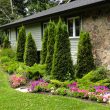
Very often we see a photo of a cedar hedge someone planted the year before that has gone a dull, rusty brown on one side and the other side is still green.
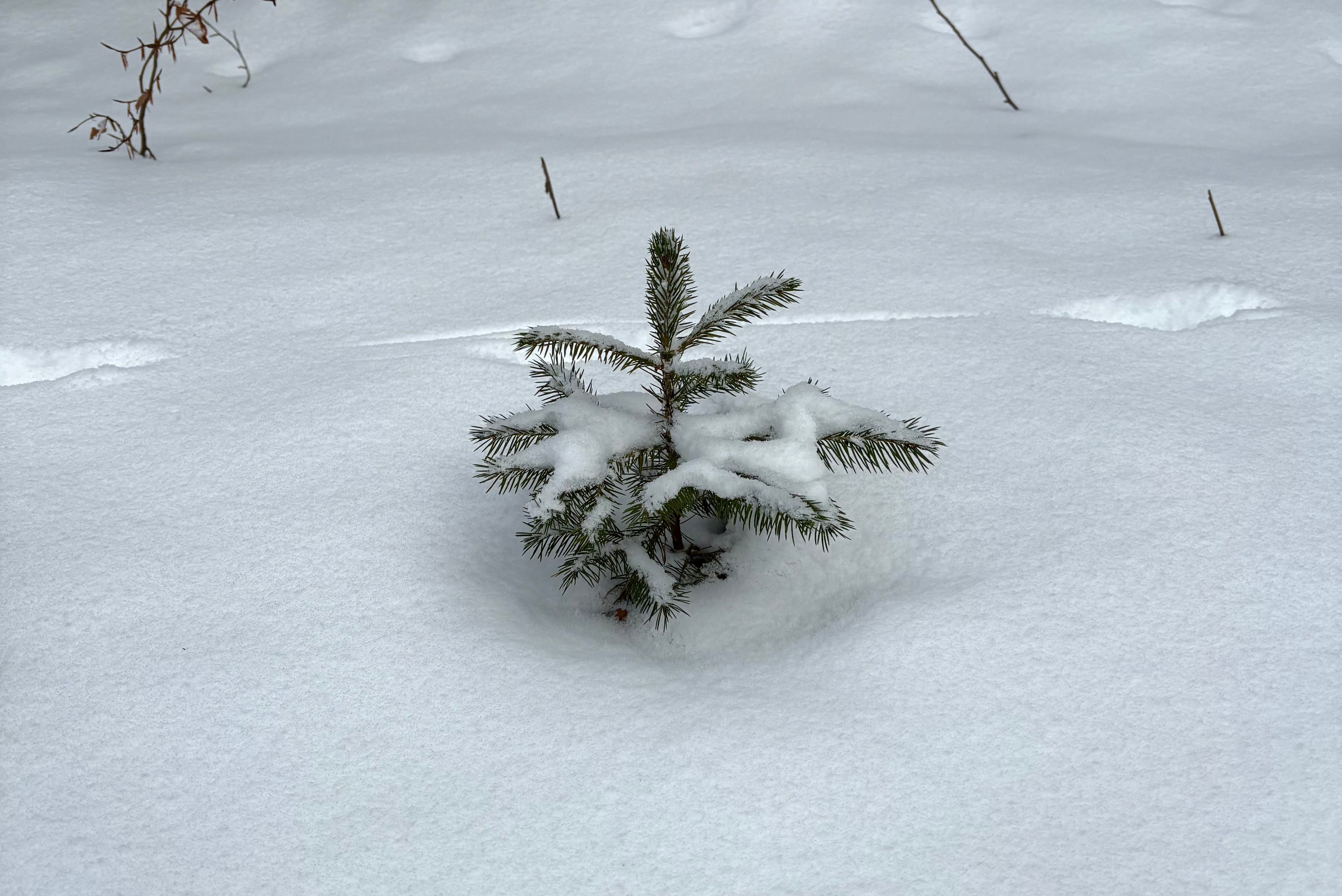
A tree or shrub planted this year has roots that barely reach past the edge of the original root ball, so it has very little to draw on once the ground freezes, and the first winter is the hardest one it will ever face. A few hours of work in late October and November makes a big difference, so here’s what to do to help new trees and shrubs survive winter.
Keep Watering Until The Ground Freezes
This is the step most people stop too early, usually because the leaves have dropped and the garden looks finished for the year. But the roots aren’t finished, and they keep growing in cool soil well into the fall, as long as there’s moisture there.
Watering trees before the ground freezes gives them a reserve to carry through the winter. Give a young tree a slow, deep soak of about 10 gallons once a week, and a shrub about half that, by letting a hose trickle at the base for 20 minutes or so instead of spraying the top.
Evergreens need this more than anything else in the yard because they hold onto their needles all winter and those needles keep losing water on every sunny, windy day in February. Moist soil also stays a little warmer than dry soil, which isn’t much, but it still has an effect on roots that are only a few inches down.
Mulching New Trees For Winter
Spread 2 to 4 inches of shredded bark mulch over the root zone so the ground doesn’t freeze and thaw as often during a mild spell in January.
Keep it a hand’s width away from the trunk, because mulch piled up against the bark in a cone, the “mulch volcano” you see in a lot of parking lots, holds moisture against the trunk and gives mice a warm place to spend the winter chewing. Timing helps here too, since if you wait until after the first hard frost to put down your winter layer, the mice have usually found somewhere else to nest.
Burlap Wrap Cedars And Other Evergreens
Cedars, yews and boxwood can all brown out over a Kingston winter and its mostly due to one simple factor. On a bright day in late winter, the sun warms the foliage and wind pulls moisture out of it, while the roots sit in frozen ground and can’t send any more so the plant loses water it can’t replace. That’s called winter burn and it shows up in April as brown patches, usually where the plant faces the road.
To prevent winter burn on evergreens, block the sun and wind on those sides. The method that works best for most new plantings is a burlap screen: drive three or four wooden stakes into the ground about a foot out from the plant and staple burlap to them, so it forms a windbreak that doesn’t touch the foliage, so air still moves around the plant, and the needles stay out of direct afternoon sun.
Protect Trees From Rabbits In Winter
Rabbits eat bark when there’s nothing else around, and a young maple or fruit tree with smooth, thin bark is an easy meal. A plastic spiral guard or a cylinder of 1/4 inch hardware cloth will stop them, as long as it reaches about two feet above the snow line you’d expect in an average winter. Light colours are better than dark, which can heat the bark on a sunny day, and remember to take the guards off in spring so moisture doesn’t get trapped underneath.
A Few Things To Skip This Fall
Don’t fertilize in the fall as a feeding can push out soft new growth that the first hard freeze kills straight away. Hold off on pruning, too, apart from branches that are dead or broken as pruning cuts heal best once the plant wakes up in spring.
If your new tree is staked, check the ties, since wire or twine can cut into the bark as the trunk sways all winter, so swap them for soft, wide straps. Think about where the snow will go, because plowed snow from the driveway carries road salt, and piling it on or directly next to a new shrub bed is one of the fastest ways to lose a plant.
What To Look For In April
A new cedar that comes through its first winter with only a little browning at the tips is doing well, and those tips will usually push out fresh growth pretty quickly. Brown that runs deep into the plant, or bark that’s been stripped at the base is a bigger issue. With a few proactive measures your new trees and shrubs will still be looking great some spring.