Landscaping stone comes in many different forms and each serves its own purpose. The first thing most people look at is the colour but stone selection goes further than that. Below, we’ll walk through the types of landscaping stone we sell most often and what each one is good at, so you can order the right pile the first time.
Two Questions That Sort Most Of The Pile
The first question to figure out is whether the stone is rounded or angular. Rounded stone such as peastone or river stone has been smoothed out by water meaning the pieces roll against each other rather than locking in place. Angular stone which has been crushed in a quarry has sharp faces and when pressed down upon the edges will bite into each other and hold.
The second big question is whether the stone is washed or has fines. Fines are simply tiny dust particles left over from the crushing process where was washed stone has had this dust rinsed out. Stones with fines pack hard due to the dust filling up every gap which is ideal for something such as a driveway but not so good where you need water to drain away.
River Stone
River stone is the smooth, rounded rock you’d find on a creek bed, usually somewhere between 1-3 inches across and coming in a mix of soft greys, browns, and tans. This type of stone works best where water will be present such as under a downspout, edge of pond, or along the foundation where the eavestrough may drip. The rounded shape lets water quickly pass through while being heavy enough to not get washed away in heavy rain.
Ornamental Stone
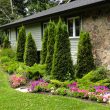
Most of what people call ornamental stone is chosen for looks first, and that’s because looks are its job. As decorative stone for garden beds, it lasts far longer than wood mulch, won’t fade by August, and you won’t have to top it up every spring. It also doesn’t break down and feed the soil the way bark mulch does, so it suits beds around shrubs, evergreens and drought tolerant perennials great. Lighter stone reflects heat and darker stone holds onto it so consider this when deciding which to grab.
Peastone
Peastone or pea gravel is small, round stone, usually around 3/8 inch, and it’s comfortable to walk on and drains well, and kids seem to love the crunch it makes underfoot. People use it for garden paths, patio areas, play spaces, dog runs and the gaps between stepping stones. Due to their round shape they don’t lock together meaning it shifts when walked on and wheels from a stroller or whellbarrow will sink. Remember to use solid edging to keep the shifting stones in place and lay it only about 2-3 inches deep over a compacted base.
EAM Stone
Available only at Marshall’s, EAM Stone is 3/8 inch washed limestone chips. On a typical patio, there’s a compacted gravel base and then a thin bedding layer of sand or stone dust that the pavers sit on. EAM Stone replaces that bedding layer, and you can also use it as the base itself under patio pavers and along walkways. It stays at about 97% compaction, so the pavers sit firm, but because it’s washed it still allows for water to drain through keeping your patio from turning into a shallow pond.
Stone Dust
Stone dust (also called screenings) is the fine, grey material left over when limestone is crushed. Wet it, run a plate compactor over it, and it sets up almost like concrete and for years it was the default bedding layer under pavers in Ontario. Stone dust is ideal for making a firm pathway, filling the gaps between flagstones, or making a decent levelling layer.
Gravel
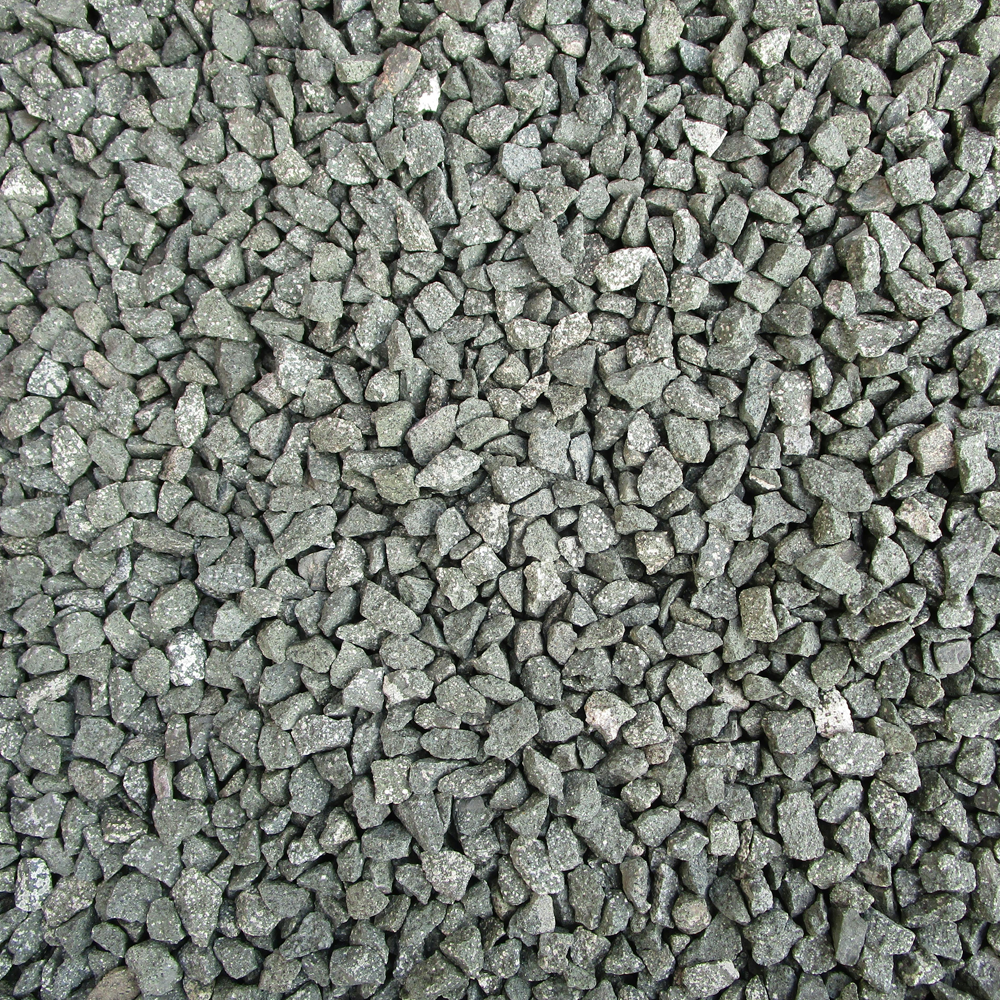
Our gravel is naturally crushed, so the pieces are angular and lock together once they’re compacted.
3/4 inch gravel (clean) is our all-purpose option. It’s a clean, sustainable mix that makes a strong base for your next big concrete project, and it works just as well for a gravel driveway, walkways and decorative garden areas around your property. For a gravel driveway in Ontario, plan on 6 to 8 inches of compacted gravel over ground that’s been dug out and graded so water runs off the sides. Compact it in layers, because loose gravel ends up in the lawn by July.
5/8 inch gravel is crushed the same way as our 3/4 inch, but with a smaller top size, meaning the largest pieces in the mix are a bit smaller. This gives it a more finished look, which is why it’s often used in soft landscaping and is also a good fix for soft ground and muddy areas.
Masonry Sand Uses
Masonry sand is fine, washed sand with soft, rounded grains. It’s the sand bricklayers mix into mortar, and it’s also what we recommend for children’s sandboxes because it doesn’t have the sharp feel of concrete sand. This is a great choice for extreme winter traction on all sections of your property, including driveways and walkways.
Ordering The Right Amount
Landscape stone is sold by the cubic yard, and one yard covers about 100 square feet at 3 inches deep, or about 160 square feet at 2 inches. Measure the length and width of the area, decide on a depth, and call or bring the numbers in. We’ll help you figure out exactly what you’re looking for and how much of it you’ll need.