If you try to push your finger into the lawn near your driveway after a dry August week you’ll be able to see first hand the compacted soil. This is the moment fall lawn aeration and overseeding truly pays off and the window for getting it done right runs from about mid August through late September.
The Signs Your Soil Is Compacted (Before You Even Aerate)
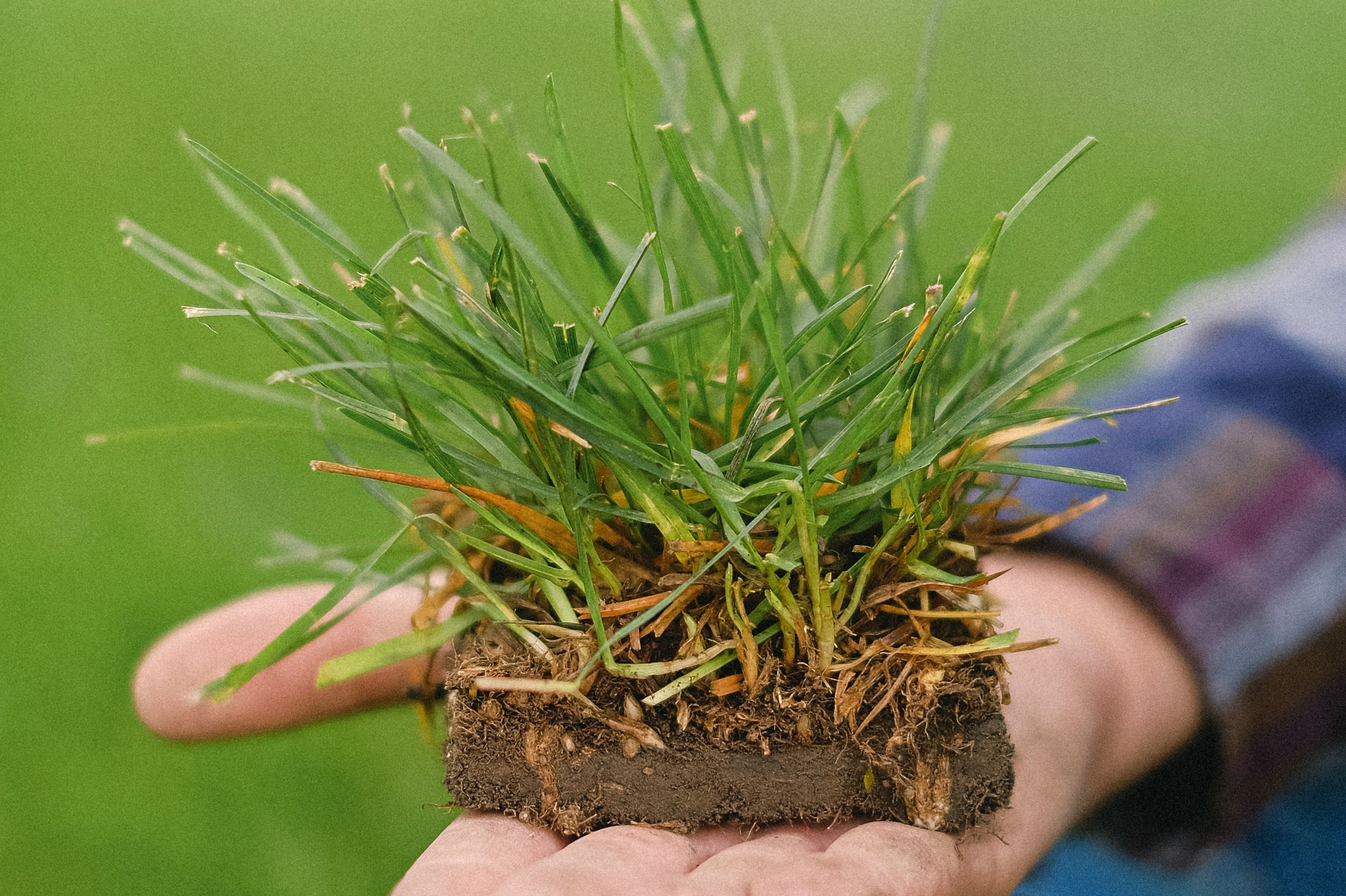
Compacted soil builds up gradually over time whether its from a place the kids and pets play or well travelled areas such as near walkways or driveways. A few signs of compacted soil to pay attention to include water sitting on the surface of your lawn for long periods of time after rain, grass thinning in well traveled areas, a layer of thatch that feels dense and spongy underfoot, and shallow roots. None of these issues will fix themselves over winter and you’ll see the same problems come spring.
Why Fall Beats Spring for Aeration and Overseeding
Knowing when to aerate and overseed a lawn comes down to biology as much as the calendar. Spring gets more attention, but it’s actually the harder season to overseed successfully. Soil is still cold in April, crabgrass and other weed seed is germinating right alongside anything you plant, and one hot week in June can scorch new seedlings before their roots ever take hold.
Late summer into fall works on a different clock entirely. Soil settles into the 50 to 65 degree range at a two to three inch depth by late August, which happens to be close to the ideal window cool season grasses like Kentucky bluegrass and fescue need to germinate. Weed pressure drops too. Most annual weeds are winding down for the season instead of starting up, and September rain tends to fall steady rather than in the sudden downpours you get in May.
Cool season grass shifts most of its energy into root growth once the air cools, even while the blades above ground look like they’ve stopped growing. Overseeding cool season grass in fall means new plants spend the whole autumn building roots instead of fighting summer heat. Established roots by October usually survive next July’s heat wave. Usually. A lot still depends on watering through that first winter and the kind of summer that follows it.
How Core Aeration and Overseeding Work Together
These are really two steps in one job, and the order matters more than most people expect. A core aerator, the kind we run for core aeration Kingston properties, pulls small plugs of soil and thatch out of the ground instead of just poking holes with solid tines. Those plugs break down on the surface over the following weeks and feed nutrients back into the soil, while the holes left behind open a path for air and water to actually reach root level.
Seed dropped into those holes has something to grip. Spread seed over ground that’s compacted and covered in thatch, and most of it just sits on top, drying out before it ever makes contact with soil.
Caring for a Newly Seeded Lawn
New seed needs steady moisture for the first two to three weeks, not a flood every few days. A light watering once or twice a day keeps the top inch of soil damp without pooling or washing seed into the low spots. Hold off on the first mow until new grass reaches about three inches, then trim it back to two and a half. Keep dogs and heavy foot traffic off the lawn while it germinates.
Fall lawn care in Kingston Ontario runs on a short calendar. Between the soil temperature window and the frost deadline, most properties only get about a month where aeration and overseeding actually pay off. Marshall’s offers free estimates on seasonal aeration and overseeding for lawns across Kingston and the surrounding area, if the timing and equipment side of it is more than you want to take on solo this year.