Every February, somewhere in Kingston, a gardener walks out during a midwinter thaw and discovers their plant sitting on top of the soil, roots exposed and the crown unprotected against the wind. The plant didn’t climb up on its own, the ground pushed it up. This is known as frost heave and is a big reason fall mulching is important in this part of Ontario. For most garden beds the timing will matter more than the mulch you use and a few perennials would actual rather be left alone.
What Does Winter Mulch Actually Do?
Winter mulch doesn’t keep your plants warm. A perennial rated for Zone 5b is already adapted to survive a typical Kingston January, and the cold temperature on its own isn’t what damages it, its the constant freezing and thawing. The ground freezes in December, then a sunny week in January thaws the top few centimetres, then everything freezes again overnight. Water in the soil expands every time it turns to ice, and over a winter of these fluctuations the soil heaves and settles until shallow roots tear loose and crowns get lifted right out of the ground. This is even worse for new plants that haven’t had a full season to work their roots into the soil. A layer of mulch over frozen soil works more like the lid on a cooler than a blanket. The insulation holds the ground at a steady temperature through those January thaws, and the roots stay put.
When to Apply Winter Mulch
Wait for the first hard frost before applying mulch. Throughout the Kingston area that usually arrives in late October or early November, when overnight temperatures drop to about -4°C and stay there. Then try to have your mulch applied before the ground freezes solid, which around here typically happens in mid to late November. Applying it too early is a common mistake as mulch on warm soil keeps it warm, so plants continue growing when they should be hardening off for winter.
How Much Mulch?
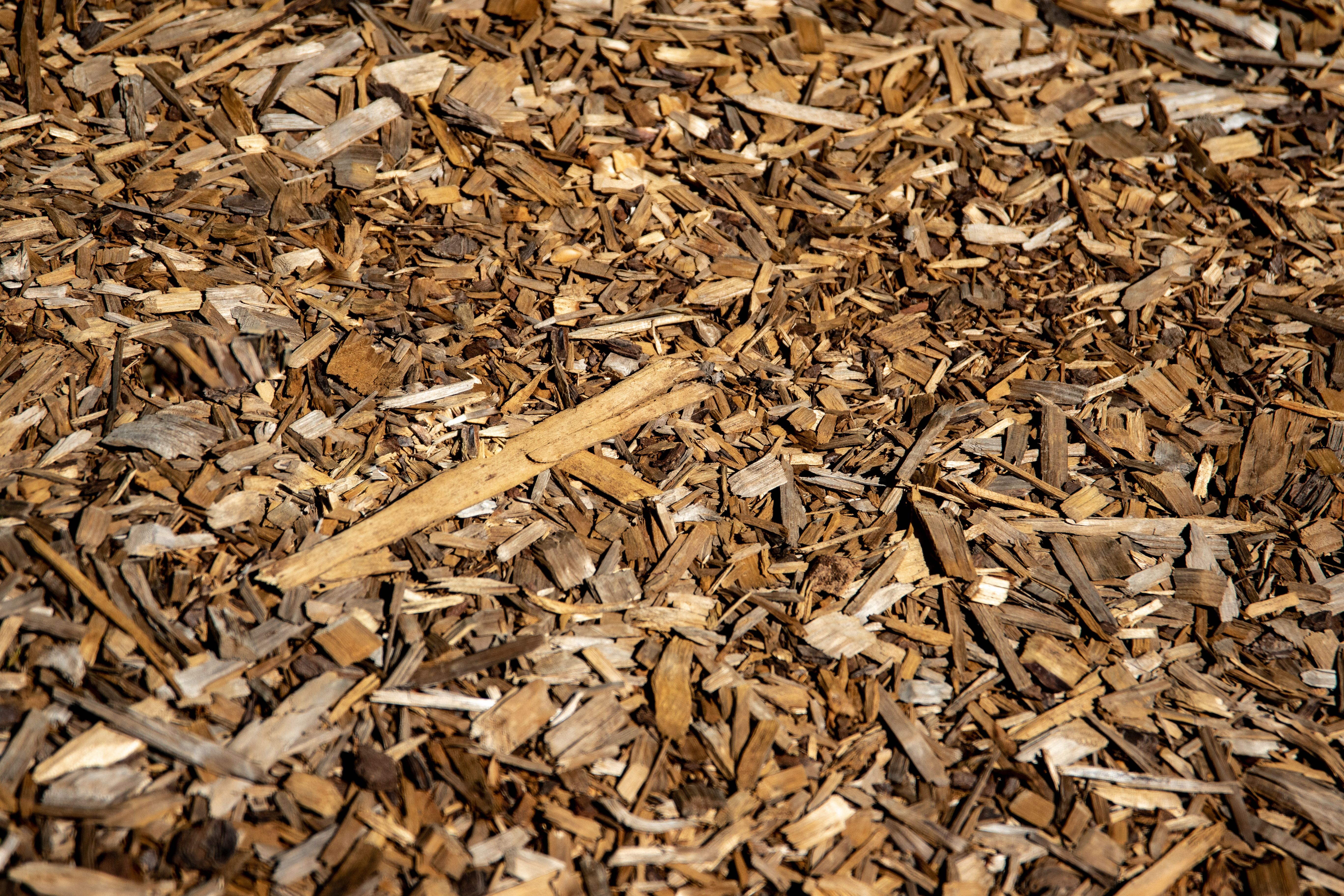
For mulching garden beds in fall, spread 5 to 10 cm over the root zone. Go toward the deeper end for anything you planted this year, and stay lighter over established beds that still have some mulch remaining from spring. Keep it pulled back about 5 cm from stems and trunks, because mulch piled against bark traps moisture exactly where rot and disease like to begin.
When Should You Skip Fall Mulching?
Not every garden bed benefits from it. Several popular perennials hate sitting in moisture over winter, and a thick layer around their crowns can rot them before spring arrives. Go light, or skip it, around:
- Echinacea (coneflower)
- Gaillardia
- Black-eyed Susan
- Ornamental grasses, which do better with their stems left standing until spring
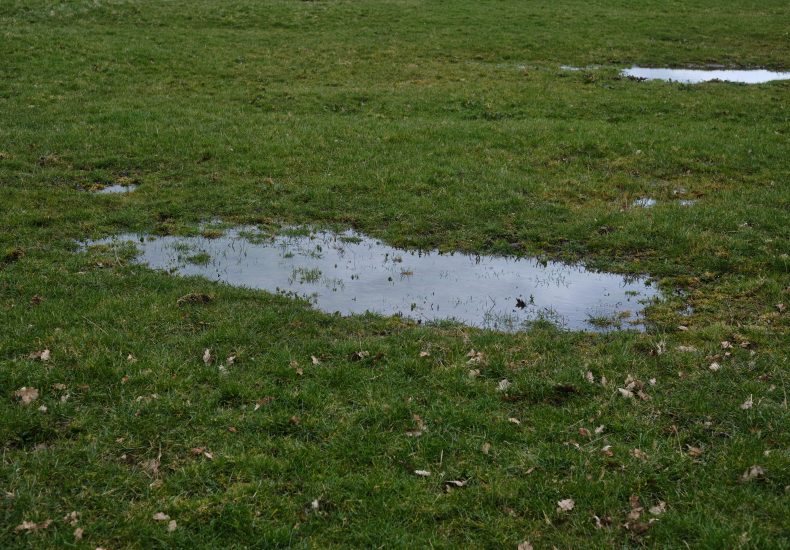
Heavy clay is the other major exception. If a bed already stays saturated into November, mulch can hold that water directly around the roots. Fix the drainage first, and our guide to fixing poor draining soil in Kingston’s heavy clay yards explains how.
When Spring Comes
Once you see new growth in April, pull the mulch back from the crowns so the soil can warm up. You don’t need to remove it from the garden. Rake it gently off the plants and leave it between them, where it’ll continue doing its summer job of conserving moisture. Your spring to-do list also gets one item shorter, right when everything else in the yard seems to need attention at once.